Integrative Medicine
A Whole-Person Approach to Health
Modern medicine has achieved extraordinary advances in treating acute illness, trauma, infection, and surgical disease. Yet many of today's greatest health challenges—chronic pain, autoimmune disorders, metabolic disease, stress-related illness, and mental health—require approaches that extend beyond treating symptoms alone.
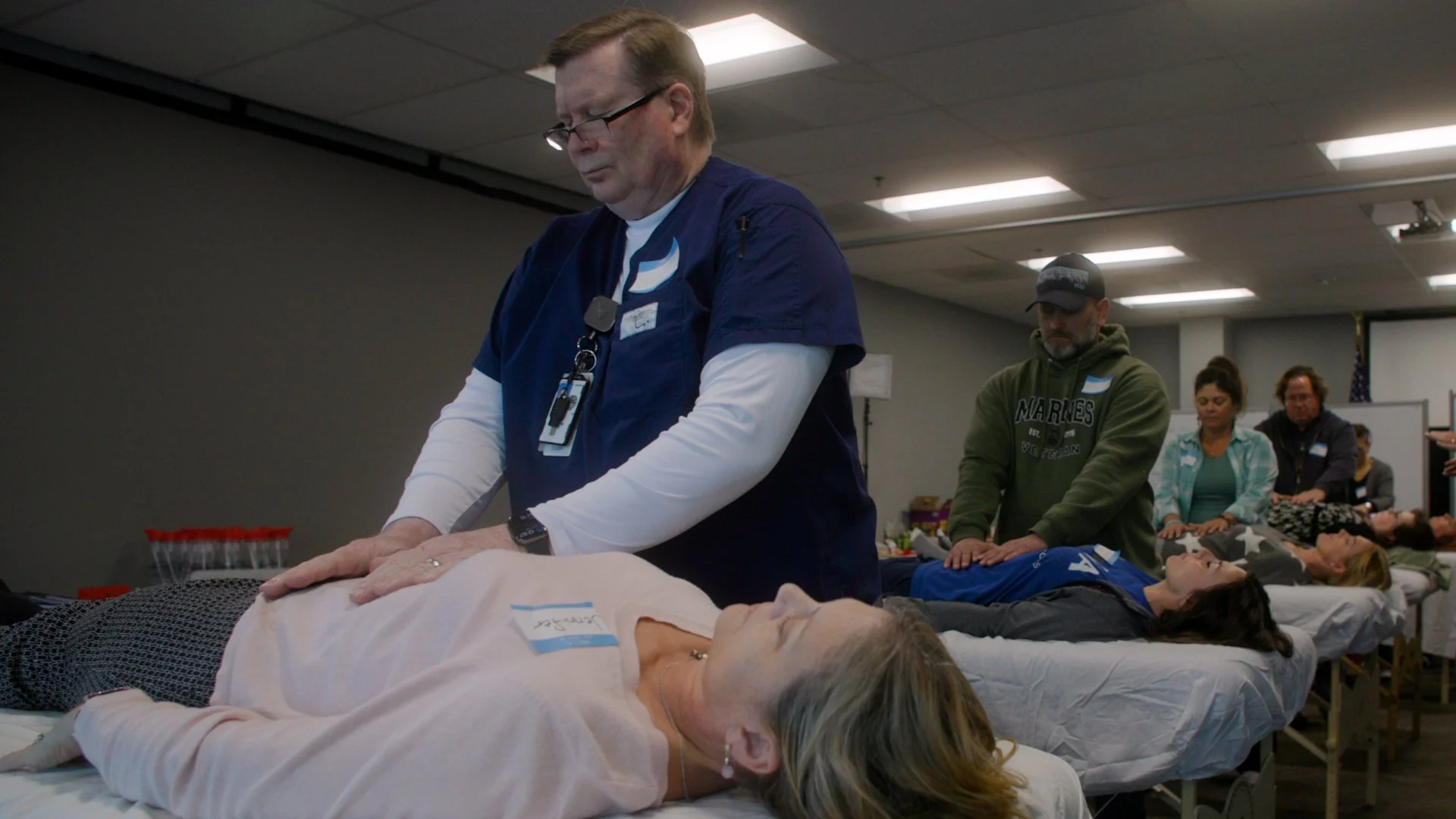
Integrative medicine combines the best of conventional medical care with evidence-informed complementary therapies, while emphasizing the whole person rather than a single diagnosis. This approach considers the interconnected roles of nutrition, movement, sleep, relationships, stress, emotional well-being, purpose, and lifestyle alongside medical treatment.
Importantly, integrative medicine is not "alternative medicine." It does not reject conventional care but seeks to integrate scientifically supported complementary approaches into comprehensive treatment plans. Increasingly, leading hospitals and academic medical centers are incorporating meditation, acupuncture, yoga, nutrition, lifestyle medicine, and mind-body interventions into patient care.
At its heart, integrative medicine recognizes that healing is often more than curing disease—it is supporting the body's innate capacity for resilience, adaptation, and recovery.